
/spirale/IMPASTATRICE%20SPIRALE%20ASM%20EVO%20RB/IMPASTATRICE%20SPIRALE%20ASM%20EVO%20RB-36x36w.jpg)









The bread of the future is born from tradition: Luca Scarcella's artisanal revolution in Piedmont.
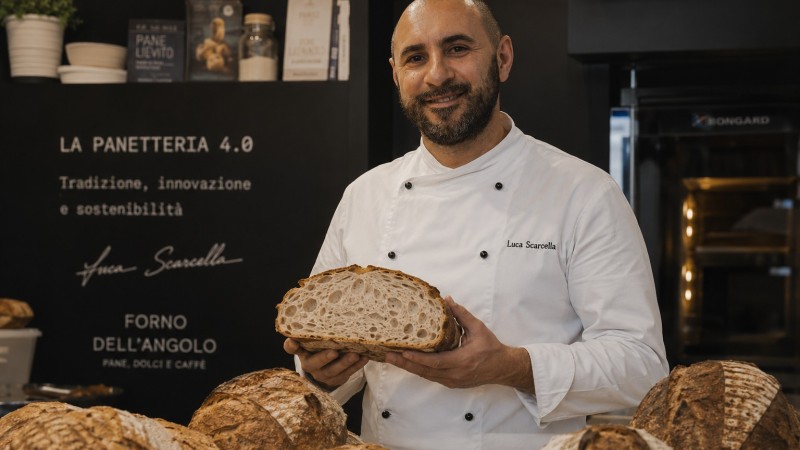
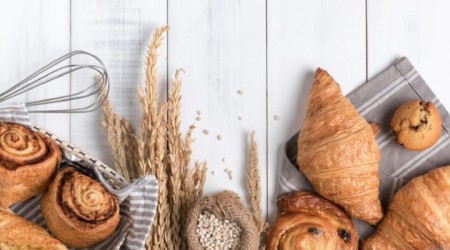
In the heart of Piedmont, a land of gastronomic excellence and ancient traditions, the world of baking is experiencing a new era of change. Today, bread is no longer just an everyday staple, but a cultural product that speaks to the region, the quality of its ingredients, and the expertise of the artisans who make it. Among the protagonists of this revolution is Turin-based master baker Luca Scarcella, an example of how innovation and tradition can coexist in perfect harmony.
According to Scarcella, the future of bread does not lie in increasingly industrialized production, but rather in a return to awareness: the choice of select flours, respect for natural fermentation times, and the valorization of sourdough. Long fermentation is, in fact, one of the most important elements of the new Italian baking tradition, as it allows for more aromatic bread with a more complex structure and a longer shelf life.
Innovation, however, is not just about ingredients and processing techniques. Modern bakeries in Piedmont are introducing new digital tools to improve their relationships with consumers. Luca Scarcella is among the professionals who have chosen to bring their workshop closer to the world of technology, using direct communication systems and digital tools to allow customers to better understand the products, their origins, and the production processes.
This new philosophy of "Bakery 4.0" demonstrates that technology should not replace the work of the artisan, but can become a means of enhancing it. The baker's craft remains based on experience, sensitivity, and knowledge of raw materials, but today it can be supported by tools that make the service more efficient and transparent.
In Piedmont, there is also a growing focus on local flours, ancient grains, and sustainable supply chains. More and more bakers are collaborating with farmers and small producers to recover forgotten wheat varieties and create breads that express the local identity. This approach also responds to the changing needs of consumers, who are increasingly interested in the provenance of ingredients and the nutritional quality of the foods they bring to the table.
For Luca Scarcella, bread represents a bridge between past and future. On the one hand, it preserves ancient techniques passed down through generations, on the other, it embraces research, innovation, and new forms of communication. The true evolution of Italian breadmaking lies not in abandoning tradition, but in reinterpreting it with contemporary tools.
Piedmont thus continues to confirm its position as one of the most dynamic regions of Italian artisan breadmaking, where master bakers like Luca Scarcella are building a new bread culture: more attentive to quality, sustainability, and the direct relationship between artisan and consumer.
Leave a Comment